
Understanding concrete batching plant prices requires more than reviewing a supplier’s quotation sheet. Pricing is directly influenced by the level of plant customization, technological integration, production capacity, and regional market conditions. For investors entering the concrete batching plant business, recognizing how customization shapes total investment is critical to making profitable decisions.
When entrepreneurs ask, what is the cost of setting up rmc plant, the answer depends heavily on how tailored the plant configuration is to specific project requirements. A standard, off-the-shelf solution may appear economical initially, but customized systems often deliver better long-term operational efficiency and return on investment.
Core Factors That Influence Concrete Batching Plant Prices
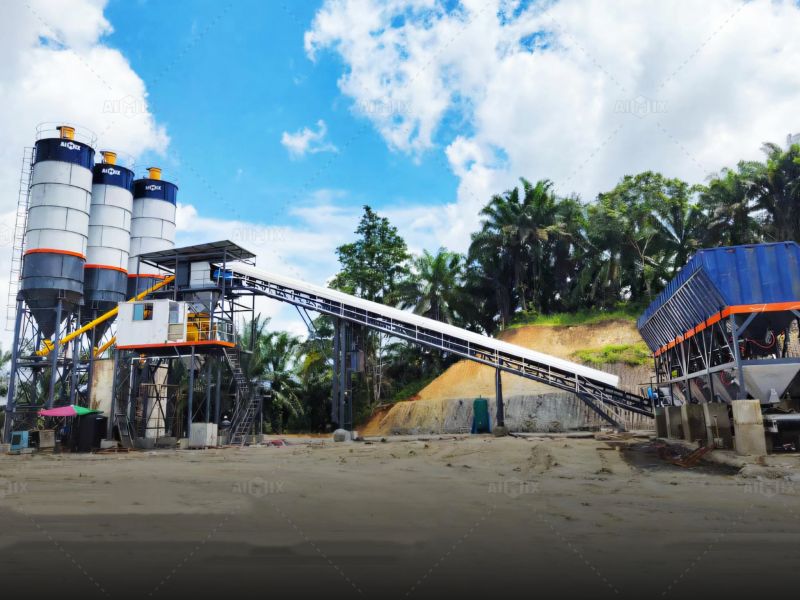
Concrete batching plant prices are primarily determined by plant type, capacity, and structural design. Stationary plants designed for high-output commercial operations generally cost more than mobile or compact units due to their larger silos, advanced mixing systems, and heavy-duty components.
Capacity plays a major role. A 30–60 m³/h plant suitable for small contractors will naturally cost less than a 120–180 m³/h industrial installation. However, customization—such as additional cement silos, upgraded twin-shaft mixers, or automated control systems—can significantly increase the total investment.
Another key factor is material quality. High-grade steel structures, wear-resistant liners, and imported electrical components raise initial plant costs but reduce maintenance expenses over time. Investors in the concrete batching plant business must balance upfront spending with lifecycle value.
Customization Levels and Their Impact on Pricing
Customization directly impacts both equipment cost and installation complexity. Basic customization may involve adjusting plant layout to fit available land space. More advanced modifications can include environmental control systems, digital automation, moisture sensors, and remote monitoring platforms.
For example, urban construction sites often require dust collection systems, noise reduction enclosures, and wastewater recycling units. These additions increase concrete batching plant prices but ensure compliance with environmental regulations and improve operational sustainability.
Additionally, customized batching systems designed for special concrete types—such as high-performance concrete or fiber-reinforced mixes—require enhanced dosing accuracy and specialized mixing mechanisms. This technological upgrade raises investment costs but opens opportunities for higher-margin contracts.
Comparing Standard vs Customized RMC Plant Costs
When evaluating what is the cost of setting up rmc plant, it is helpful to compare standard and customized configurations.
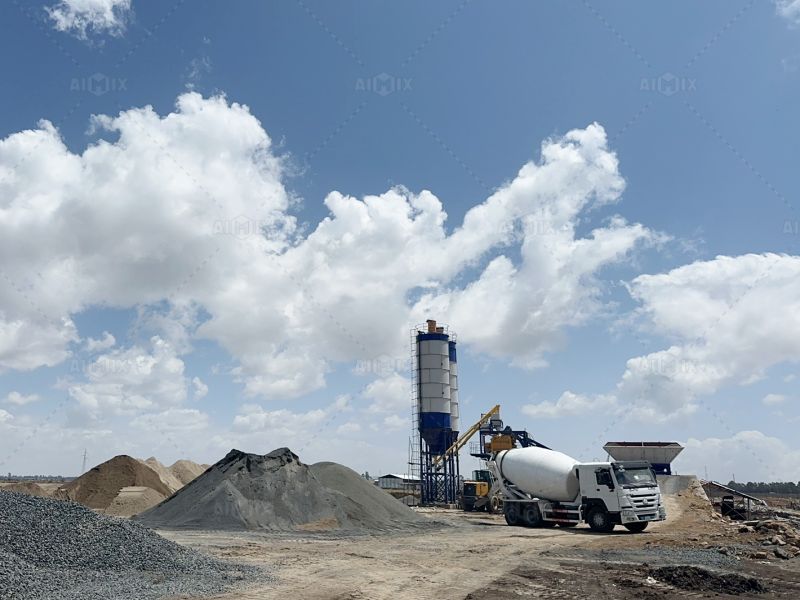
A standard ready-mix concrete (RMC) plant may include:
-
Aggregate batching system
-
Cement silos
-
Basic control panel
-
Twin-shaft mixer
-
Conveyor systems
Such plants are ideal for straightforward commercial applications. However, a customized plant may incorporate:
-
Fully automated PLC systems
-
Real-time data tracking
-
Advanced moisture compensation
-
Multiple admixture dosing systems
-
Environmental protection modules
These features increase capital expenditure but significantly improve production accuracy, efficiency, and compliance.
In practical terms, a standard mid-sized RMC plant might represent a moderate investment, while a highly customized facility could increase total cost by 15–35%, depending on technological sophistication.
Role of Chinese Manufacturing in Pricing Flexibility
The global market for China concrete batching plant equipment has played a significant role in reshaping pricing structures worldwide. Chinese manufacturers offer competitive pricing due to large-scale production, optimized supply chains, and advanced manufacturing capabilities.
Many suppliers provide flexible customization packages, allowing investors to select only necessary features rather than paying for full premium packages. This modular approach helps control concrete batching plant prices while maintaining operational reliability.
However, pricing variations exist even within the Chinese market. High-end manufacturers offering CE certifications, advanced automation, and premium electrical components may command higher prices than entry-level suppliers. Investors must evaluate supplier reputation, after-sales support, and spare parts availability before making a decision.
Customization and Long-Term Business Strategy
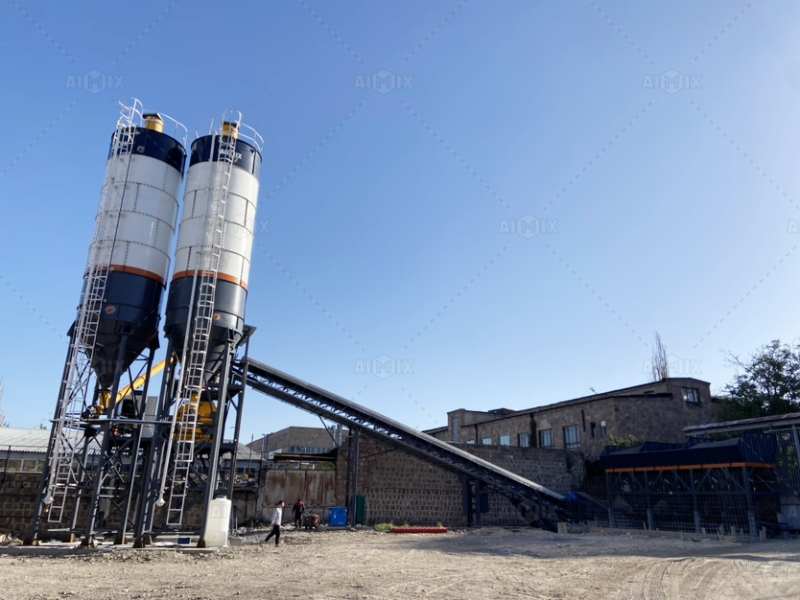
In the concrete batching plant business, plant customization should align with long-term market positioning. A contractor focusing on government infrastructure projects may require high-capacity, fully automated plants capable of continuous production. In contrast, a regional supplier serving residential developments might benefit from a compact or mobile configuration.
Customization also supports scalability. Some plants are designed with expansion in mind, allowing additional silos or batching lines to be added later. Although this increases initial concrete batching plant prices slightly, it reduces the need for complete replacement during future expansion.
Moreover, digital customization—such as integration with fleet management software—improves delivery coordination and reduces downtime. Over time, these efficiency gains offset higher setup costs.
Hidden Costs Linked to Customization
While customization enhances performance, it may introduce additional hidden costs. These include:
-
Higher installation and commissioning expenses
-
Increased operator training requirements
-
Advanced maintenance needs
-
Software licensing fees
Investors asking what is the cost of setting up rmc plant must account for these operational considerations beyond equipment purchase price.
However, ignoring customization may lead to inefficiencies such as material wastage, inconsistent mix quality, or regulatory penalties. Therefore, the goal is not minimizing initial cost, but optimizing total lifecycle value.
Balancing Price and Performance
Successful investment decisions require balancing affordability with operational efficiency. Rather than focusing solely on the lowest concrete batching plant prices, investors should evaluate:
-
Production accuracy
-
Energy consumption
-
Maintenance frequency
-
Spare parts availability
-
Supplier technical support
A moderately customized plant from a reliable china concrete batching plant manufacturer may provide better long-term returns than the cheapest option on the market.
In highly competitive markets, operational efficiency becomes the key profit driver. Customized automation systems reduce human error, while real-time data monitoring improves material management. These advantages translate into consistent quality and stronger customer relationships.
Conclusion
Concrete batching plant prices are closely tied to the level of plant customization. While basic configurations offer lower upfront investment, customized solutions enhance efficiency, compliance, scalability, and profitability. For entrepreneurs entering the concrete batching plant business, understanding what is the cost of setting up rmc plant requires analyzing not only equipment price but also long-term operational strategy.
With flexible options available from china concrete batching plant suppliers, investors can tailor solutions to match both budget constraints and production goals. Ultimately, strategic customization is not merely an added expense—it is an investment in sustainable growth and competitive advantage.