
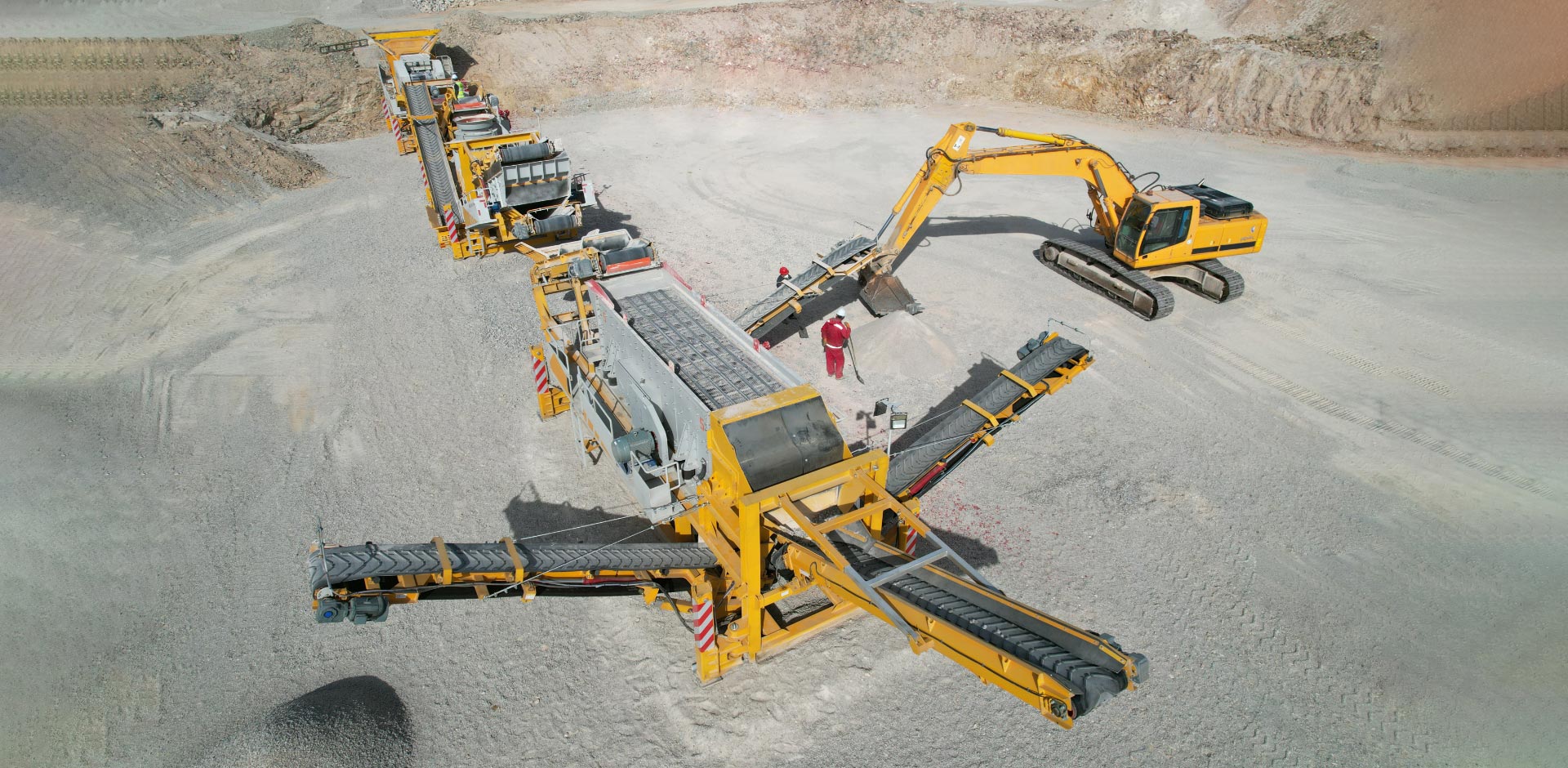
The cost planning for a crusher plant is a multifaceted process that requires careful consideration of both market dynamics and raw material prices. For companies looking to invest in or expand their operations, understanding how these factors interact is crucial. Whether considering a crushing plant in the Philippines, a crushing plant in Bolivia, or a stone crusher plant in Chile, market demand and material prices are central to financial projections and operational efficiency.

Market Demand as a Cost Driver
Market demand is one of the most significant factors affecting crusher plant cost planning. When demand for crushed aggregates, sand, or other processed materials increases, plants may need to operate at higher capacities to meet orders. For example, a stone crusher plant in Chile might see surges in demand due to infrastructure projects, urban construction, or mining activities. These surges directly influence operational costs, including labor, maintenance, and energy consumption.
High market demand can also drive up the prices of raw materials because suppliers adjust rates based on scarcity and urgency. A crushing plant in the Philippines may experience this effect during peak construction seasons, when both aggregate and fuel prices rise. Consequently, cost planning must include flexible budgeting strategies that can accommodate fluctuations in material costs without eroding profit margins.
Conversely, during periods of low demand, underutilization of equipment can lead to inefficiencies. Fixed costs such as equipment depreciation, staff salaries, and facility maintenance remain constant, but revenue decreases. For a crushing plant in Bolivia, seasonal downturns in mining or construction can significantly affect profitability, making precise cost forecasting essential.
Material Prices and Their Impact on Cost Planning
Material prices, including the cost of rocks, ores, and imported aggregates, are another crucial factor influencing crusher plant expenses. The price of raw materials often depends on market availability, transportation costs, and regional economic conditions. For instance, a stone crusher plant in Chile sourcing limestone may face higher costs if local quarries have limited output or transportation infrastructure is constrained.
Energy prices also play a key role. Crushing plants are energy-intensive, and electricity or diesel costs can constitute a significant portion of operational expenses. When planning costs for a crushing plant in the Philippines, the volatility of fuel prices must be factored into the financial model. High fuel or electricity costs can reduce profit margins unless efficiency improvements or alternative energy solutions are considered.
Additionally, fluctuations in the global commodity market can indirectly impact material prices. If demand for copper or other metals rises, quarries and mining operations supplying these materials may divert resources, raising the cost of raw materials for aggregate production. For a crushing plant in Bolivia, which may rely on both domestic and imported materials, these shifts require adaptive cost planning strategies.
Regional Differences in Cost Influences
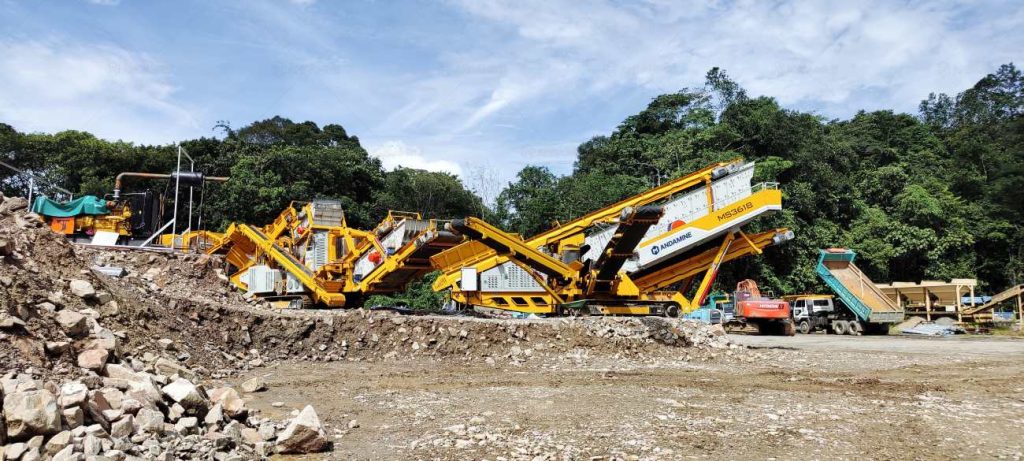
Different regions present unique challenges for crusher plant cost planning. In the Philippines, logistical challenges such as island transport and seasonal weather conditions can increase material and operational costs. A crushing plant in this region must factor in shipping, handling, and seasonal workforce availability to ensure accurate cost projections.
In contrast, Bolivia’s high-altitude mining regions present other operational challenges, such as increased wear on machinery and additional safety protocols, which can raise maintenance and labor costs. Similarly, a stone crusher plant in Chile may encounter regulatory differences and environmental compliance requirements that impact overall cost planning. These regional factors demonstrate the importance of local market analysis in cost forecasting.
Strategies for Effective Cost Planning
To mitigate the impact of fluctuating market demand and material prices, crusher plants must adopt proactive cost planning strategies. One approach is to diversify raw material sources to reduce dependence on any single supplier or region. This flexibility allows a crushing plant in the Philippines to maintain stable input costs even when local prices rise.
Investing in modern, energy-efficient machinery can also help control operational expenses. By optimizing energy use, plants reduce sensitivity to fuel and electricity price fluctuations, which is particularly relevant for energy-intensive operations in Bolivia and Chile.
Another strategy involves aligning production schedules with market demand. By forecasting construction projects, mining activities, and aggregate consumption trends, a stone crusher plant in Chile can optimize operational days, avoid overproduction, and minimize underutilization costs.
Finally, adopting cost monitoring tools and financial planning software can provide real-time insights into expenditure, enabling managers to make data-driven decisions. With accurate cost tracking, crushing plants in any region can quickly adapt to changes in material prices or market demand, ensuring sustainable operations and profitability.
Conclusion
In conclusion, market demand and material prices are critical factors that directly influence the cost planning of crusher plants. Whether managing a crushing plant in the Philippines, a crushing plant in Bolivia, or a stone crusher plant in Chile, operators must account for local conditions, energy consumption, and raw material costs. By adopting adaptive cost planning strategies—such as diversifying material sources, optimizing energy use, and aligning production with market trends—crusher plants can maintain operational efficiency and profitability despite market fluctuations. In a globalized industry, understanding these dynamics is not just beneficial—it is essential for long-term success.